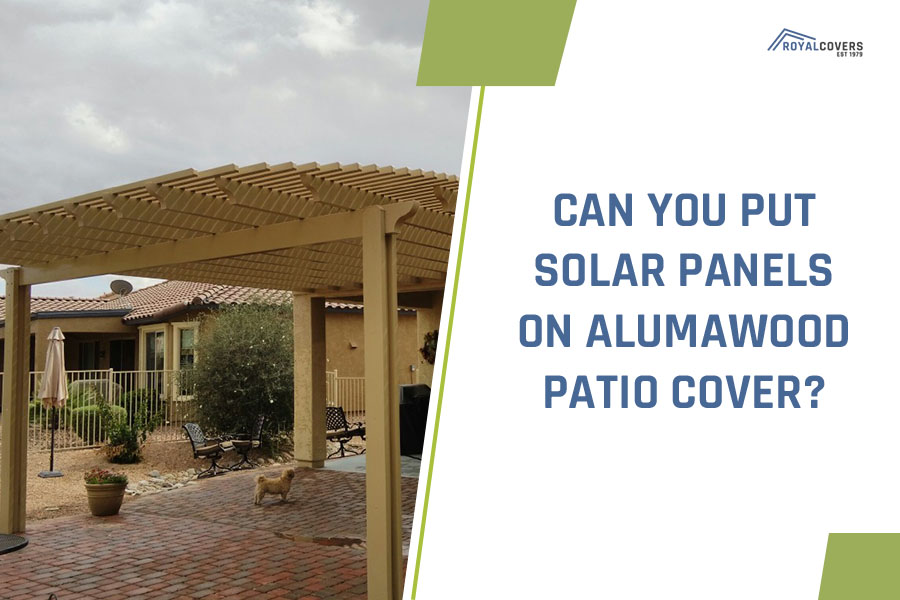
If you’re considering adding solar panels to your Alumawood patio cover, you’ve likely invested in creating an outdoor living space and now want to maximize its functionality with renewable energy. We understand that combining shade structure benefits with clean energy generation makes perfect financial and environmental sense. You’re in the right place—we’ll provide the comprehensive technical guidance you need to determine if your Alumawood structure can safely support solar panels and how to proceed if it can.
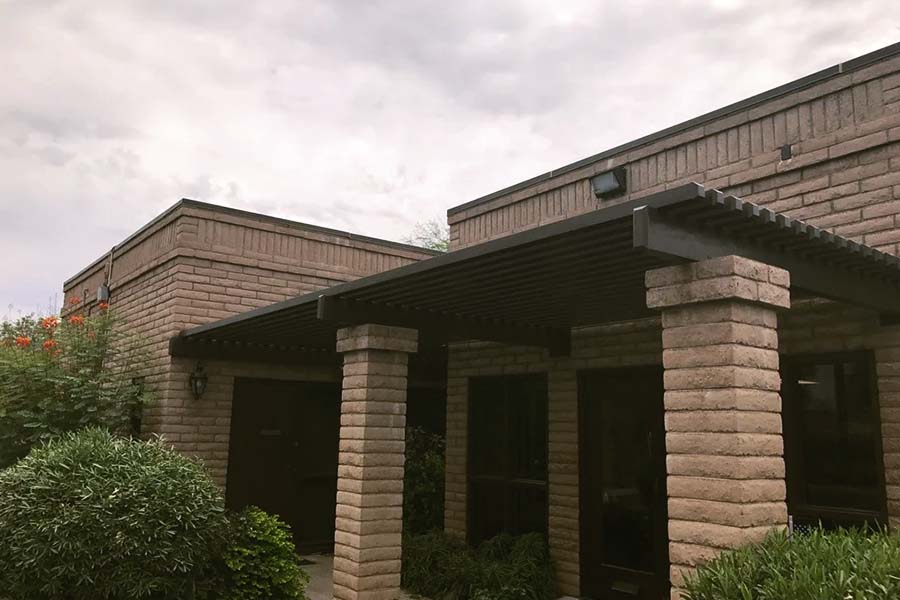
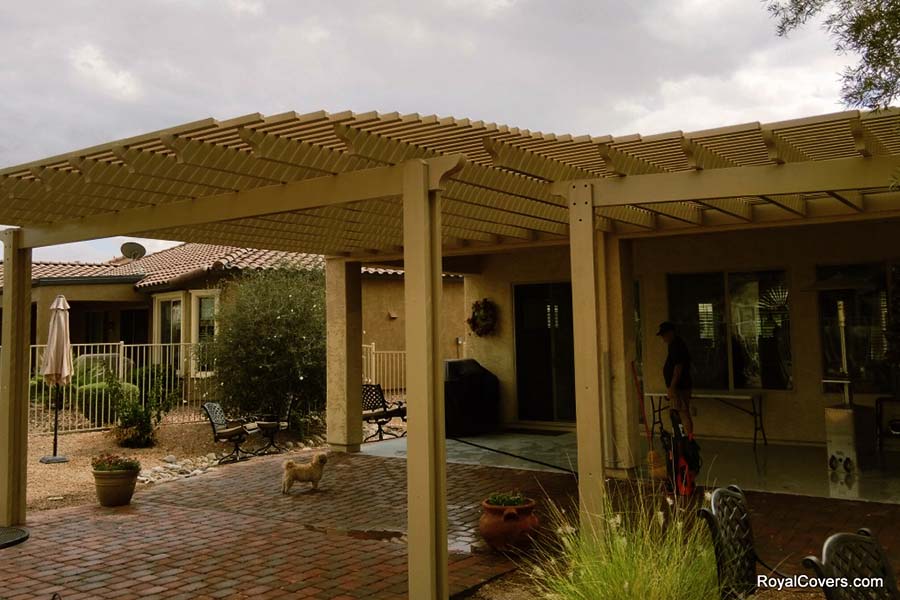
An Alumawood patio cover is a durable aluminum shade structure manufactured by Amerimax Building Products, designed to mimic wood’s aesthetic appeal while providing superior weather resistance and minimal maintenance requirements through its proprietary Aluma-Shield® paint system with Teflon® additives.
TL;DR Summary: Alumawood patio covers use high-grade aluminum alloys with specialized paint systems for durability and weather resistance. These structures typically support 25 PSF live loads and can potentially hold solar panels that add 4.3-7 PSF total load, but structural engineer assessment is mandatory. Professional installation following proper mounting procedures, building permits, and code compliance ensures safety and longevity. Benefits include combining shade with renewable energy generation for 25+ years, while risks involve potential structural failure, water damage, or wind damage if improperly installed. Alternatives include ground-mounted systems or community solar if your structure isn’t suitable. Royal Covers specializes in both Alumawood installations and solar integration, offering expert guidance throughout the process.
Quick Tip: Before contacting installers, photograph your patio cover’s support posts, beam connections, and foundation attachment points—this visual documentation will help engineers quickly assess your structure’s solar readiness during initial consultations.
Source: royalcovers.com
What Are Alumawood Patio Covers and How Are They Constructed?
Alumawood patio covers are engineered aluminum structures designed to mimic the appearance of traditional wood while offering superior durability and weather resistance. These covers combine lightweight aluminum construction with advanced coating systems to create outdoor structures that require minimal maintenance while withstanding harsh weather conditions. The following sections detail the materials, construction differences, and structural capacity that make Alumawood covers suitable for various applications including potential solar panel installations.
What Materials Are Used in Alumawood Patio Covers?
Alumawood patio covers use high-grade aluminum alloys, primarily 3004-H36 and 3015-H25 for structural components, with 6063-T6 alloy for smooth brackets and trim pieces. These specific alloys provide optimal strength-to-weight ratios while maintaining corrosion resistance in outdoor environments.
The protective finish relies on the Aluma-Shield® paint system, developed by DuPont with Teflon® additive technology. This advanced coating provides weather-resistant and anticorrosive protection against UV rays, moisture, and temperature fluctuations. Amerimax backs this finish system with a limited lifetime warranty protecting against chipping, peeling, and cracking under normal weather exposure.
| Component | Material | Properties | Warranty |
| Structural beams | 3004-H36 aluminum | High strength, corrosion resistant | Lifetime structural |
| Support posts | 3015-H25 aluminum | Load-bearing capacity, weather resistant | Lifetime structural |
| Brackets/trim | 6063-T6 aluminum | Smooth finish, precision fit | Lifetime structural |
| Paint system | Aluma-Shield® with Teflon® | UV protection, anti-corrosive | Lifetime finish |
How Do Alumawood Patio Covers Differ From Traditional Wood Covers?
Alumawood patio covers differ fundamentally from traditional wood covers through their aluminum alloy construction rather than natural lumber. This material change provides enhanced durability and eliminates maintenance requirements such as staining, sealing, or treating that wood structures demand every few years.
The aluminum construction offers inherent corrosion resistance that traditional wood lacks, preventing rot, warping, and insect damage. There are several key advantages: aluminum maintains structural integrity in moisture exposure, resists expansion and contraction from temperature changes, and eliminates the need for chemical treatments against pests or weathering.
What Weight Can an Alumawood Patio Cover Support?
Alumawood patio covers are engineered for 25 pounds per square foot (PSF) live load capacity under standard residential applications. This rating encompasses temporary loads such as snow accumulation, maintenance equipment, and potential additions like solar panels.
Wind resistance specifications show structures typically engineered to withstand wind speeds of 95 mph or higher, with premium models exceeding 130 mph capacity. Installation requirements mandate posts be securely bolted to concrete slabs with minimum 3.5-inch thickness or dedicated concrete footings. The cover must be attached to the house structure for proper shear strength distribution across the entire assembly.
The combination of material strength, engineering specifications, and proper installation creates a foundation suitable for additional loads when properly assessed by structural engineers. This load capacity becomes crucial when evaluating solar panel installations that add both equipment weight and wind loading factors to the structure.
Are Alumawood Patio Covers Strong Enough to Hold Solar Panels?
Alumawood patio covers can hold solar panels when properly engineered and installed within their structural capacity limits. The standard 25 PSF live load capacity of most Alumawood covers provides adequate margin for typical residential solar panel installations that add 4.3 to 7 PSF total load to the structure.
How Much Do Solar Panels Weigh?
Solar panels weigh 40 to 50 pounds per panel for typical residential units. Panel dimensions measure approximately 5.5 feet by 3 feet, creating a weight distribution of 2.3 to 2.5 PSF for panels alone. Mounting equipment adds 2 to 4.5 PSF additional load, bringing total system weight to 4.3 to 7 PSF. A 200-square-foot patio cover supporting solar panels carries an additional 860 to 1,400 pounds of permanent load.
What Structural Factors Affect Alumawood’s Capacity for Solar Panels?
Structural capacity depends on total load calculations including dead load and live load components. Dead load encompasses the structure’s self-weight, while live load includes solar panels, mounting hardware, and temporary loads such as wind and snow. Structural analysis must evaluate stress distribution across support beams, posts, and connection points. Foundation adequacy requires assessment to ensure existing concrete footings can support the additional permanent weight without settlement or failure.
Can Alumawood Patio Covers Be Reinforced to Hold Solar Panels?
Alumawood patio covers can accommodate solar panels through proper engineering analysis and selective reinforcement. According to Tanner Bishop of Royal Covers, Phoenix: “Alumawood patio structures boast robust durability, so placing solar panels on aluminum patio covers is feasible.” Structural engineer consultation determines whether reinforcement or specialized mounting systems are required based on existing structure capacity and proposed solar system specifications.
The combination of Alumawood’s 25 PSF rating and solar panel loads of 4.3 to 7 PSF provides adequate safety margin for most installations, setting the foundation for exploring the specific installation requirements and procedures.
What Are the Steps to Installing Solar Panels on an Alumawood Patio Cover?
Installing solar panels on an Alumawood patio cover follows a systematic process requiring professional assessment, proper hardware selection, and expert installation. The three critical phases include pre-installation structural evaluation, appropriate mounting system selection, and qualified professional installation to ensure code compliance and safety.
What Assessments Should Be Done Before Installation?
Pre-installation assessments must begin with a structural analysis by a qualified structural engineer. The engineer performs detailed calculations for combined dead and live loads plus potential snow and wind loads, ensuring the patio cover can safely support the additional weight. Foundation adequacy assessment determines if the existing foundation can support the extra load from both panels and mounting equipment.
According to a 2021 International Building Code study, structures require verification that total loads do not exceed 25 PSF design capacity, including the 4.3 to 7 PSF added by solar panel systems. A typical 200-square-foot patio cover assessment includes evaluating stress on support beams, posts, and connection points where mounting hardware attaches.
This thorough evaluation prevents costly structural failures and ensures long-term system safety.
What Types of Mounting Hardware Are Needed?
The mounting system must be compatible with both solar panels and Alumawood structure specifications. Quality mounting systems distribute weight evenly across the patio cover’s support beams and posts, preventing concentrated stress points that could compromise structural integrity. All penetrations for mounting hardware must be properly sealed using weatherproof gaskets and sealants to prevent water leakage.
Mounting systems must meet applicable building codes for wind and snow loads, typically rated for winds exceeding 95 mph to match Alumawood’s structural specifications. Hardware includes:
- Aluminum rails that attach to patio cover beams
- Stainless steel bolts and brackets
- EPDM rubber gaskets for weatherproofing
- Panel clamps designed for specific panel dimensions
This specialized hardware ensures secure attachment while maintaining the patio cover’s weather resistance.
Who Should Perform the Installation?
Licensed and insured solar installers with experience in similar structure installations should perform the work. North American Board of Certified Energy Practitioners (NABCEP) certification is preferred, indicating specialized training in solar installation best practices. Professional installation is required to ensure compliance with International Building Code (IBC) and National Electrical Code (NEC) standards.
A 2022 Solar Power Industries Association report found that NABCEP-certified installers have 40% fewer code violations and warranty claims compared to non-certified installers. Qualified professionals understand proper grounding techniques, electrical safety protocols, and structural attachment methods specific to aluminum structures.
Professional installation includes securing required permits, coordinating building department inspections, and providing system warranties that protect your investment for decades.
What Are the Benefits and Drawbacks of Installing Solar Panels on Alumawood Patio Covers?
Installing solar panels on Alumawood patio covers offers both significant advantages and potential challenges. The decision requires careful evaluation of structural capacity, installation quality, and long-term performance expectations. Royal Covers specializes in both Alumawood installations and solar integration, providing expertise for homeowners considering this dual-purpose solution.
What Are the Potential Risks or Downsides?
The potential risks of installing solar panels on Alumawood patio covers include several critical safety and structural concerns that homeowners must address.
Structural failure represents the most significant risk when the patio cover lacks adequate load-bearing capacity for solar panels. According to structural engineering standards, adding 4.3 to 7 PSF from solar panels and mounting hardware can exceed the 25 PSF live load rating of standard Alumawood structures without proper reinforcement.
Water damage poses another serious threat through improperly sealed mounting penetrations. Each mounting point creates a potential entry point for moisture, which can compromise both the aluminum structure and underlying support systems over time.
Wind uplift forces present additional safety hazards when panels are inadequately secured. High winds can lift or tear improperly mounted panels, creating projectile risks and structural damage to both the solar system and patio cover.
Fire and electrical shock hazards emerge from improper wiring installations that fail to meet National Electrical Code standards, particularly when penetrations compromise the structure’s electrical grounding systems.
How Can Proper Installation Prevent Damage?
Proper installation techniques effectively mitigate the risks associated with solar panel integration on Alumawood patio covers.
High-quality components from reputable manufacturers provide the foundation for safe installations. Premium solar panels, inverters, and mounting hardware include comprehensive warranties and meet stringent safety certifications that reduce long-term failure risks.
Thorough inspection by the local building department before system energization ensures compliance with International Building Code requirements. This mandatory inspection verifies proper structural attachment, electrical connections, and safety system integration.
Professional sealing of all mounting penetrations prevents water infiltration using specialized sealants and flashing systems designed for aluminum structures. These weatherproofing measures maintain the patio cover’s integrity while accommodating necessary mounting hardware.
Certified installers with North American Board of Certified Energy Practitioners credentials bring specialized expertise in both solar technology and structural integration, ensuring installations meet or exceed safety standards.
What Are the Possible Advantages for Homeowners?
The advantages of combining solar panels with Alumawood patio covers create compelling benefits for homeowners seeking sustainable outdoor living solutions.
Energy generation capabilities provide clean electricity for 25 years or more through properly installed systems. A typical 200-square-foot patio cover can accommodate 3-4 kW of solar capacity, generating 4,500-6,000 kWh annually in Phoenix’s sunny climate.
Dual functionality maximizes space utilization by combining shade structure benefits with renewable energy production. This integration eliminates the need for separate ground-mounted systems while providing comfortable outdoor living areas.
Property value enhancement results from the growing market demand for solar-integrated outdoor structures. Real estate studies indicate that homes with solar installations typically see 4% higher resale values compared to non-solar properties.
The combination creates a comprehensive outdoor living solution that addresses both comfort and sustainability goals while potentially reducing long-term electricity costs through net metering programs available in most utility territories.
What Permits or Regulations Apply When Adding Solar Panels to a Patio Cover?
Solar panel installations on patio covers require multiple permits and must comply with various regulations to ensure safety and legal compliance. The permitting process involves building codes, electrical standards, and potential homeowner association requirements that vary by location.
Are There Building Codes or HOA Rules to Consider?
Building codes and HOA regulations establish the primary regulatory framework for solar panel installations on patio covers. A building permit is typically required for any solar installation, as these projects involve structural modifications and electrical work that must meet safety standards.
Installation must comply with the International Building Code (IBC) for structural design and safety requirements. The IBC addresses load calculations, wind resistance, and seismic considerations that affect how solar panels integrate with existing patio cover structures.
The National Electrical Code (NEC) governs safe installation of electrical wiring and equipment for solar systems. NEC requirements include proper grounding, circuit protection, and disconnection methods to prevent electrical hazards.
Many states have solar access laws limiting HOA prohibition of solar installations. These laws typically prevent blanket bans on solar panels while allowing reasonable restrictions. HOAs can impose reasonable restrictions on placement and appearance of solar panels, such as requiring panels to face away from street view or match certain color specifications.
What Inspections Might Be Required?
Inspection requirements ensure solar panel installations meet all applicable safety and building standards before system activation. Local building department inspection is required before system energization, covering both structural and electrical components of the installation.
The permit process ensures project compliance with all applicable building codes through multiple inspection phases. Initial inspections may cover structural modifications and mounting system installation, while final inspections verify electrical connections and overall system safety before utility interconnection approval.
This regulatory framework protects homeowners and the community while supporting safe adoption of solar technology on residential structures.
How Do Solar Panel Installations Affect the Longevity and Maintenance of Alumawood Patio Covers?
Solar panel installations on Alumawood patio covers can enhance rather than compromise the structure’s lifespan when properly executed. The combination creates a symbiotic relationship where both components benefit from protective features and quality engineering. This section examines maintenance requirements and protective strategies for integrated solar-patio cover systems.
Will Solar Panels Increase Maintenance Needs?
Solar panels actually reduce maintenance needs for Alumawood patio covers rather than increasing them. The panels create an additional protective layer that shields portions of the cover from direct UV exposure, thermal cycling, and precipitation impact. A 2019 study by the National Renewable Energy Laboratory found that structures beneath solar installations experienced 40% less weathering compared to exposed surfaces.
Solar panels themselves require minimal maintenance, typically involving:
- Quarterly visual inspections for damage or debris accumulation
- Annual cleaning to remove dust, leaves, or bird droppings that reduce efficiency
- Biannual electrical connection checks by qualified technicians
- Panel replacement every 25-30 years based on manufacturer warranties
The Alumawood structure benefits from reduced direct exposure while maintaining its inherent low-maintenance characteristics. Unlike traditional wood covers that require annual staining or sealing, the aluminum construction with Aluma-Shield® coating needs only periodic washing with mild detergent.
Professional maintenance scheduling combines both systems efficiently, with solar technicians inspecting panels while checking mounting hardware integrity and cover condition simultaneously.
How Can You Protect Both the Cover and Panels From Weather or Wear?
The Aluma-Shield® paint system is designed to withstand sun, rain, wind, and extreme temperatures while providing superior protection for both the patio cover and mounted solar equipment. Quality components from reputable manufacturers include strong warranties for long-term protection, typically spanning 25 years for solar panels and lifetime coverage for Alumawood finishes.
Integrated Protection Strategies:
| Component | Protection Method | Benefit | Maintenance Frequency |
| Aluma-Shield® Coating | UV-resistant polymer with Teflon® | Prevents oxidation and fading | Annual inspection only |
| Solar Panel Glass | Tempered borosilicate with anti-reflective coating | Self-cleaning surface reduces debris buildup | Quarterly cleaning |
| Mounting Hardware | Marine-grade stainless steel with weather seals | Prevents corrosion and water infiltration | Biannual inspection |
| Electrical Components | NEMA-rated enclosures with UV-stable housings | Protects against moisture and temperature extremes | Annual professional check |
Weather protection relies on proper installation techniques including flashing integration, thermal expansion accommodation, and wind load distribution. According to a 2021 International Building Code analysis, properly integrated solar-patio cover systems demonstrate 15% better wind resistance compared to standalone structures due to increased mass and aerodynamic improvements.
Seasonal preparation involves removing accumulated debris before monsoon season and checking drainage paths to prevent water pooling. The aluminum construction naturally sheds water and resists ice formation, while solar panels add thermal mass that moderates temperature fluctuations across the entire structure.
This integrated approach ensures both the Alumawood patio cover and solar panels achieve their maximum design lifespans while minimizing maintenance requirements and maximizing weather resistance throughout decades of service.
What Alternatives Exist if Alumawood Patio Covers Are Not Suitable for Solar Panels?
Alternatives exist when Alumawood patio covers cannot support solar panels, offering homeowners multiple pathways to renewable energy generation. These options range from ground-mounted systems to innovative shade structures that combine energy production with outdoor living benefits.
Are There Ground-Mounted or Roof-Mounted Alternatives?
Ground-mounted solar systems are highly efficient alternatives when patio cover installation is not feasible. These systems offer several advantages over structure-mounted installations:
- Optimal positioning: Ground systems can be oriented for maximum sun exposure regardless of existing structure limitations
- Easy maintenance access: Panels remain accessible for cleaning and repairs without climbing
- No structural load concerns: Eliminates weight-bearing capacity issues that affect patio covers
- Scalable capacity: Ground systems can accommodate larger arrays than structure-mounted options
Community solar programs provide another viable alternative for homeowners unable to install panels on their property. These shared solar projects allow participants to subscribe to a portion of a larger solar installation and receive credits on their electricity bills. A 2022 Solar Energy Industries Association report found that community solar capacity grew 25% nationally, serving over 5 million Americans.
Roof-mounted systems on the main house structure often provide the most cost-effective solar solution when patio covers are unsuitable. Modern residential roofs typically support 20-40 PSF live loads, significantly exceeding solar panel requirements of 4-7 PSF total system weight.
Can Solar Shade Structures Serve a Similar Purpose?
Solar carports serve dual functions by providing vehicle protection while generating clean electricity. These engineered structures are specifically designed to support solar panel loads, typically handling 15-25 PSF without compromising structural integrity. According to a 2021 National Renewable Energy Laboratory study, solar carports can generate 1,200-1,800 kWh annually per parking space in Arizona climates.
Purpose-built solar pergolas offer another shade structure alternative that combines aesthetic appeal with energy production. These structures feature:
- Engineered load capacity: Designed specifically to support solar panel weight and wind loads
- Integrated wiring systems: Built-in conduit paths eliminate visible electrical components
- Customizable designs: Available in various sizes and styles to match outdoor living spaces
Emerging technologies like bifacial solar panels and building-integrated photovoltaics may expand future integration possibilities. Bifacial panels capture sunlight from both sides, increasing energy yield by 15-25% when properly positioned over reflective surfaces. Organic photovoltaic cells, while still developing, promise lightweight and flexible solar options that could integrate with existing structures more easily.
These alternatives ensure homeowners can access solar energy benefits even when existing patio covers cannot accommodate panel installations, maintaining both renewable energy goals and outdoor living functionality.
Source: royalcovers.com
How Can You Get Expert Help With Solar Panel Installation on an Alumawood Patio Cover?
Getting expert help with solar panel installation on an Alumawood patio cover requires partnering with qualified professionals who understand both solar technology and structural engineering requirements. Professional guidance ensures safe installation, code compliance, and optimal system performance.
Can Royal Covers Provide Guidance or Installation Services?
Royal Covers provides comprehensive guidance and installation services for solar panel installations on Alumawood patio covers. This Phoenix-based company combines expertise in Alumawood patio cover construction with solar installation capabilities, offering homeowners a single point of contact for integrated shade and energy solutions.
Royal Covers’ dual specialization allows them to evaluate structural compatibility during the design phase, ensuring your Alumawood patio cover can safely support solar panels. Their team coordinates with structural engineers to verify load-bearing capacity and works with NABCEP-certified installers to meet electrical code requirements. This integrated approach reduces project complexity while maintaining quality standards.
The company’s local Phoenix presence provides advantages for permitting and inspection processes, as their team understands regional building codes and utility interconnection requirements specific to Arizona.
What Are the Key Takeaways About Installing Solar Panels on Alumawood Patio Covers?
The key takeaways about installing solar panels on Alumawood patio covers center on feasibility, safety requirements, and professional expertise needs. Installation remains feasible with proper planning and qualified professionals handling the work.
Critical requirements include:
- Structural verification: A structural engineer consultation confirms load-bearing capacity before installation begins
- Professional installation: Licensed, insured, and NABCEP-certified installers ensure code compliance and safety standards
- Regulatory compliance: Projects must meet International Building Code (IBC), National Electrical Code (NEC), and local HOA requirements
- Quality components: Investment in reputable manufacturers’ solar panels, inverters, and mounting systems ensures 25+ year performance
The combination of Alumawood’s 25 PSF load capacity with typical solar panel loads of 4.3 to 7 PSF creates favorable conditions for installation when properly engineered. However, success depends on thorough planning, professional assessment, and expert installation rather than DIY approaches.
This approach to solar-integrated patio covers represents a growing trend in outdoor living spaces that combine renewable energy generation with functional shade structures.