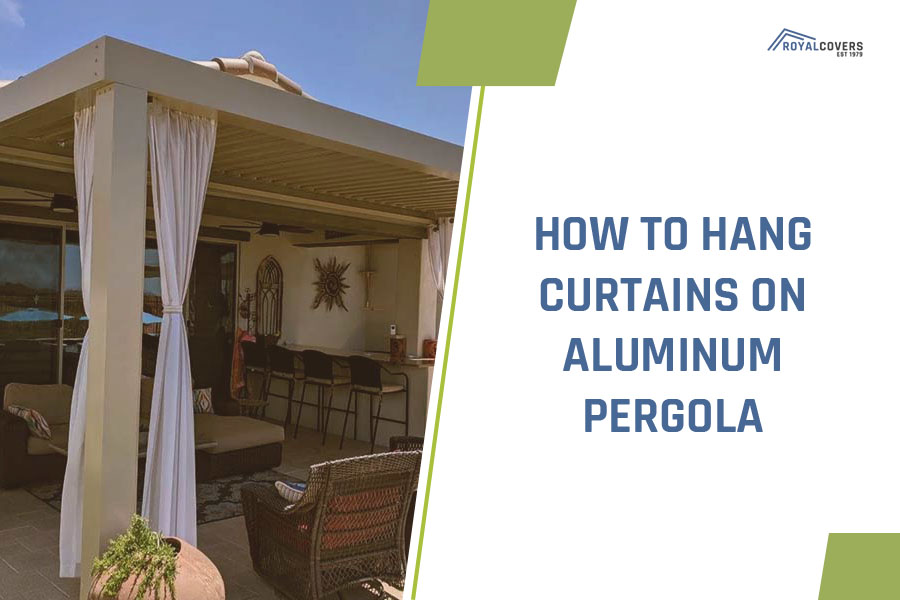
If you’re searching for ways to transform your aluminum pergola into a private, comfortable outdoor retreat, you’ve come to the right place. We understand that creating the perfect outdoor living space requires both functionality and style, and hanging curtains on your aluminum pergola is one of the most effective ways to achieve both. Whether you need protection from harsh sun, want to create an intimate dining area, or simply desire more privacy in your backyard, this comprehensive guide will walk you through everything you need to know.
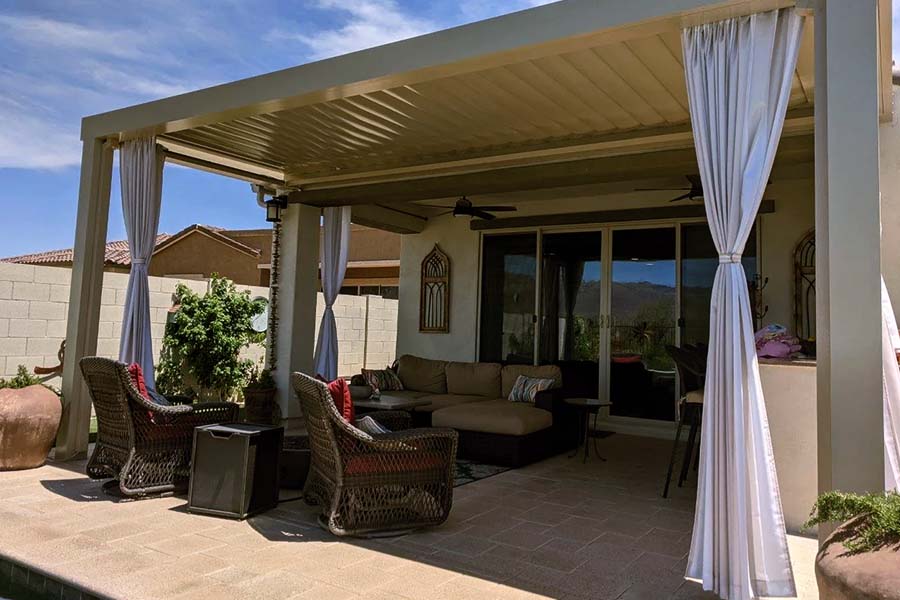
An aluminum pergola with curtains is a versatile outdoor structure that combines the durability of aluminum framing with the flexibility of fabric panels to create customizable shade, privacy, and weather protection for patios, decks, and garden spaces. Unlike permanent walls, pergola curtains offer the freedom to open up your space when desired while providing instant enclosure when needed.
TL;DR Summary
- Materials and tools needed: Select outdoor-rated fabrics with 1,500+ UV hours resistance, use lightweight curtain rods suitable for 20-40 pound pergola capacity, and choose stainless steel hardware for coastal areas
• Step-by-step installation: Install curtain rods securely along pergola sides, use proper aluminum-rated fasteners with spacers to prevent damage, and ensure smooth operation with track systems for windy conditions
• Common mistakes to avoid: Prevent sagging by using adequate attachment points, choose fabrics rated above 200-300 UV hours to avoid rapid deterioration, and ensure proper weight distribution across rafters
• Maintenance requirements: Clean curtains monthly in coastal areas to remove salt buildup, inspect hardware quarterly for signs of stress, and apply waterproofing spray periodically to restore protection
• Customization options: Select from opaque vinyl panels for complete privacy to lightweight cotton blends for breezy aesthetics, with prices ranging from $30-50 for standard sets to $1,350 for premium solutions
• Professional assistance: Companies like Royal Covers offer over four decades of experience in Arizona, providing design, fabrication, and installation of customized pergola curtain solutions
Quick Tip: Always measure your pergola dimensions twice before purchasing curtains, and add an extra 10% to the width for proper fullness and coverage – this simple step prevents costly returns and ensures a professional appearance.
Source: royalcovers.com
What materials and tools are needed to hang curtains on an aluminum pergola?
The materials and tools needed to hang curtains on an aluminum pergola include outdoor-rated fabrics, corrosion-resistant hardware, and proper installation tools. Success depends on selecting materials that withstand UV exposure, wind loads, and moisture while staying within your pergola’s weight capacity. This section covers curtain fabrics, attachment hardware, and preparation requirements.
Which types of curtains work best for outdoor pergolas?
The types of curtains that work best for outdoor pergolas are solution-dyed acrylic fabrics, vinyl-laminated polyester, and waterproof materials with high UV ratings. Solution-dyed acrylic fabrics offer up to 2,000 hours of UV protection and resist fading from sun, rain, and bleach. Vinyl-laminated polyester provides exceptional durability and fade resistance for harsh weather conditions.
Fabric Performance by UV Resistance:
| Material Type | UV Test Hours | Expected Lifespan | Best Use |
| Solution-dyed acrylic | 2,000 | 5+ years | Year-round |
| Vinyl-laminated polyester | 1,500+ | 3-5 years | High durability |
| Printed acrylic/polyester | 300 | 1 season | Budget/seasonal |
| AATCC 169.3 rated fabrics | 6+ rating | 50+ years | Premium installations |
Triple-weave fabrics provide thermal insulation while blocking light and heat. Heavy-duty 18oz or 22oz vinyl increases resilience in high wind areas, while waterproof polyester with grommet tops facilitates easy installation and weather resistance.
What hardware options are suitable for attaching curtains to aluminum structures?
The hardware options suitable for attaching curtains to aluminum structures include lightweight track systems, stainless steel fasteners, and marine-grade mounting solutions. Aluminum pergolas work best with lightweight rods due to 20-40 pound per rafter weight capacity. Stainless steel fasteners resist corrosion in coastal environments with salt spray.
Wind-Rated Attachment Systems:
- Light wind: Velcro anchor straps support curtains up to 7 feet tall in light breezes
- Medium wind: External wind straps handle curtains up to 20 feet in medium winds
- High wind: Windproof attached straps manage 40-foot curtains in high wind conditions
- Automated: Motorized track systems can be retrofitted and controlled via remote, smartphone app, or voice commands
Track systems with snaps or roll-ups hold curtains firm in winds up to specified limits. Marine-grade hardware is essential for coastal installations to prevent salt corrosion and ensure long-term reliability.
How do you measure and prepare your pergola for curtain installation?
You measure and prepare your pergola for curtain installation by assessing weight capacity, planning attachment points, and verifying structural requirements. Average residential pergolas support 20-40 pounds per rafter when weight is evenly distributed. Limit hanging items to one every other rafter unless structure is reinforced.
Preparation Requirements:
- Account for added weight when curtains become wet from rain
- Consider sun path movement throughout the day for optimal shade placement
- Ensure adequate slope angle to prevent water pooling and fabric stretching
- Verify local building codes for wind load requirements specific to your region
Shorter rafter spans with closer support posts can handle more weight than longer spans. Aluminum frames offer good wind resistance when properly engineered and installed per codes. Proper preparation ensures safe installation and optimal curtain performance throughout all weather conditions.
What are the step-by-step instructions for hanging curtains on an aluminum pergola?
Hanging curtains on an aluminum pergola requires careful attention to attachment methods, material protection, and wind resistance. This process involves three critical phases: secure mounting, damage prevention, and weather-resistant installation.
How do you safely attach curtain rods or tracks to aluminum beams?
Safely attaching curtain rods or tracks to aluminum beams requires proper fasteners rated for aluminum to prevent galvanic corrosion. Install curtain rods or tracks securely along the sides of the pergola structure, distributing attachment points evenly to prevent sagging or jamming.
Track systems allow smoother operation than traditional rod systems in windy conditions, making them ideal for outdoor applications. Bolted construction provides stronger joinery than other attachment methods, ensuring long-term stability. Professional installation typically costs 30-50% of the kit’s price for complex projects but guarantees proper mounting techniques.
Motorized systems can be integrated with smart home automation for weather-based adjustments, offering convenience and protection during sudden weather changes.
What installation methods best protect the aluminum from damage?
Installation methods that protect aluminum from damage include using rubber or plastic spacers between hardware and aluminum to prevent scratching. Apply anti-corrosion coating on drill points before installing fasteners to create a protective barrier against moisture infiltration.
Select self-drilling screws designed specifically for aluminum applications, as these create clean holes without material stress. Avoid over-tightening which can strip threads or deform aluminum, compromising structural integrity.
| Component | Protection Method | Application | Result |
| Drill Points | Anti-corrosion coating | Before fastener installation | Prevents moisture infiltration |
| Hardware Contact | Rubber/plastic spacers | Between metal surfaces | Eliminates scratching |
| Fasteners | Aluminum-rated screws | All mounting points | Prevents galvanic corrosion |
| Eyelets | High-frequency welding | Drainage points | Prevents failure points |
High-frequency welding and electronically operated eyeleting prevent common failure points during installation. Position drainage eyelets to prevent water accumulation that causes material degradation over time.
How can you ensure curtains slide smoothly and stay secure in high winds?
Ensuring curtains slide smoothly and stay secure requires retracting curtains when wind speeds exceed the rated capacity of your anchoring system. Use reinforced anchoring that transfers wind load from curtain to structure, preventing fabric stress and potential tearing.
Install tiebacks for securing curtains when not in use, providing additional stability during windy conditions. Opaque heavy-duty materials withstand wind better than lightweight fabrics, offering superior durability in challenging weather.
Multiple attachment points distribute stress more effectively than few connection points:
- Roll-up designs provide flexibility for changing weather
- Removable systems allow seasonal adjustments
- Temperature-resistant materials maintain flexibility in extreme conditions
- Proper tensioning prevents wind-induced flutter
Roll-up or removable designs provide flexibility for changing weather conditions, allowing homeowners to adapt their outdoor space based on seasonal needs. Temperature affects curtain material flexibility and wind resistance capacity, making material selection crucial for year-round performance.
This systematic approach to curtain installation ensures both functional performance and protection of your aluminum pergola investment while preparing you for proper material selection and maintenance practices.
What are common mistakes to avoid when hanging curtains on an aluminum pergola?
Common mistakes when hanging curtains on aluminum pergolas include incorrect hardware installation, poor fabric selection, and improper weight distribution. These errors can lead to structural damage, premature material failure, and costly replacements within a single season.
How can incorrect hardware or installation lead to damage or failure?
Incorrect hardware or installation leads to damage through inadequate support points, poor stress distribution, and drainage failures that compromise both curtains and pergola structure.
Using too few hooks or rings creates uneven stress points that cause curtains to sag between connection points or jam during operation. Industrial installations require eyelets spaced every 12-18 inches to distribute wind loads effectively. Eyelets commonly rip out when installed without proper reinforcement backing, especially during wind gusts exceeding 25 mph.
Poor weight distribution across rafters can exceed the pergola’s 20-40 pound per rafter capacity, particularly when curtains become saturated with rainwater. A 2019 structural engineering study found that wet outdoor fabrics can increase loading by 40-60% compared to dry conditions.
Water management failures cause the most preventable damage:
- Flat installations without drainage slope create pooling that stretches fabric beyond recovery
- Missing drainage eyelets allow water accumulation that promotes mold growth within 48-72 hours
- Improperly tensioned covers develop low points where water collects and permanently deforms material
What are the risks of improper curtain fabric selection for outdoor use?
The risks of improper curtain fabric selection include rapid deterioration, frequent replacements, and potential structural overloading from inappropriate materials not designed for outdoor exposure.
Fabrics rated under 300 UV hours fail within one summer season, with visible fading appearing after just 6-8 weeks of sun exposure. A 2021 textile durability study at Arizona State University found that indoor fabrics lose 75% of their tensile strength within 90 days of outdoor UV exposure.
Non-water-resistant materials create multiple problems in humid climates. These fabrics absorb moisture that promotes fungus growth within 24-48 hours and retain water weight that can overload aluminum structures. Materials without mildew resistance require replacement every 6-12 months in coastal or tropical environments.
Color stability varies dramatically by manufacturing method. Printed surface colors fade 3-5 times faster than solution-dyed fibers, where color penetrates the entire material during production. Budget curtain sets under $20 typically use printed fabrics with minimal UV protection, leading to replacement costs that exceed quality options within two years.
Heavy indoor drapery materials can damage aluminum pergolas through excessive static loading, while lightweight materials tear easily in moderate winds, creating safety hazards and requiring emergency removal.
The section concludes by emphasizing that proper planning prevents these common installation and material selection mistakes that compromise both functionality and safety.
How do you maintain and care for curtains installed on an aluminum pergola?
Maintaining curtains on an aluminum pergola requires regular cleaning and hardware inspection to prevent weather damage and ensure long-term performance. Proper care extends fabric life and maintains the pergola’s functionality in outdoor conditions.
The following sections detail cleaning protocols and inspection schedules that protect your investment and maintain optimal curtain operation throughout all seasons.
What is the best way to clean and weatherproof outdoor pergola curtains?
The best way to clean outdoor pergola curtains is to brush off debris before wet cleaning and use mild soap solutions for routine maintenance. Brush excess dirt before applying water to prevent staining that occurs when debris mixes with cleaning solutions.
For general cleaning, mix 1/4 cup mild soap per gallon of warm water and apply with a soft brush. For mildew treatment, use 1 cup bleach and 1/4 cup mild soap per gallon to eliminate fungal growth. In coastal areas, rinse curtains with fresh water every 2-4 weeks to remove salt buildup that accelerates fabric deterioration.
Apply waterproofing spray periodically to restore water-repellency as UV exposure reduces protective coatings over time. Machine wash Sunbrella fabrics in cold water and line dry for best results, avoiding heat that can damage synthetic fibers. Clean spills promptly since mildew grows on accumulated dirt even on resistant fabrics.
Avoid harsh chemicals that break down UV-resistant coatings and reduce fabric lifespan significantly.
How often should you inspect and adjust curtain hardware and attachments?
You should inspect curtain hardware seasonally for rust or loosening, with monthly checks during windy seasons for stress indicators. Seasonal inspections in coastal climates identify corrosion early, while monthly fastener checks during high-wind periods prevent failure.
Check fasteners monthly during windy seasons for signs of stress or movement that indicate loosening connections. Examine eyelets and grommets every 3 months for tearing or enlargement that compromises curtain attachment. Verify proper tension quarterly to prevent sagging and water pooling that stretches fabric permanently.
Clear debris from drainage paths monthly to maintain proper water flow and prevent accumulation damage. Test motorized systems biannually for smooth operation and responsiveness to commands. Lubricate moving parts annually with outdoor-rated lubricants designed for marine environments.
Replace worn components immediately to prevent cascading failures where one damaged part stresses adjacent hardware beyond capacity.
This maintenance approach ensures curtains operate smoothly while protecting your pergola investment from preventable weather damage and mechanical wear.
How can you customize the look and function of your pergola with curtains?
Customizing your pergola with curtains transforms both its appearance and functionality through strategic design and material choices. This customization involves selecting appropriate privacy options, coordinating with existing decor, and implementing solutions that enhance both comfort and visual appeal.
What design options allow for privacy, shade, and visual appeal?
Design options for pergola curtains provide multiple levels of privacy, shade, and aesthetic enhancement through varied materials and configurations. Opaque vinyl panels block outside views while protecting furniture from sun damage, creating complete privacy zones. Insulated vinyl enclosures provide R3 rating for year-round temperature control, maintaining comfortable spaces in all seasons.
Curtains with grommets offer easy attachment and styling versatility for quick seasonal changes. Lightweight cotton blends provide breezy aesthetic for humid climates while maintaining airflow. Automated louvered roofs with integrated curtains offer maximum flexibility through motorized controls.
Color-coordinated tiebacks add decorative elements while securing unused curtains during windy conditions. Premium curtain options range up to $1,350 and offer superior aesthetics and durability for long-term installations. Standard two-curtain sets from $30-50 provide budget-friendly customization for homeowners seeking affordable enhancement.
This section explores coordinating curtain choices with existing outdoor decor and maximizing the aesthetic integration of your pergola enhancement.
How can you coordinate curtain choices with your existing outdoor decor?
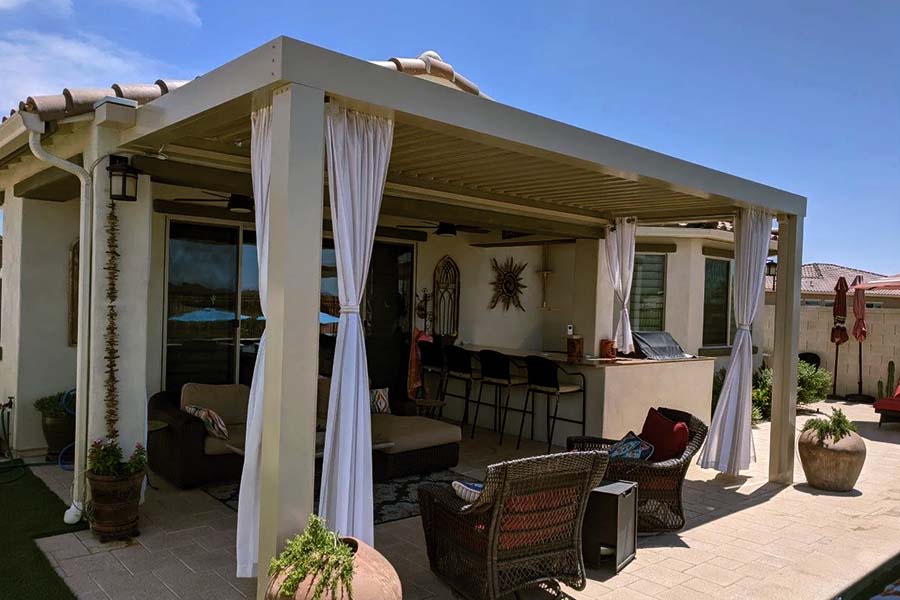
Coordinating curtain choices with existing outdoor decor requires matching colors, hardware finishes, and fabric weights to create cohesive design themes. Select UV-resistant colors rated 6+ on AATCC scale to maintain appearance for decades without fading. Match hardware finishes to existing pergola trim and outdoor furniture for seamless integration.
Choose fabric weights appropriate for your climate and seasonal use patterns to ensure both function and longevity. Consider motorized systems for modern homes with smart technology integration, enabling automated responses to weather conditions. Layer sheer and opaque options for variable privacy and light control throughout different times of day.
Coordinate curtain length with pergola dimensions for proportional appearance that enhances rather than overwhelms the structure. Use track systems for contemporary designs or traditional rods for classic styles, ensuring the hardware choice complements your home’s architectural character.
Royal Covers specializes in customized outdoor living solutions that integrate seamlessly with Arizona’s unique climate challenges and architectural styles.
Source: royalcovers.com
How can professional services like Royal Covers assist with hanging curtains on aluminum pergolas?
Professional services like Royal Covers provide expert installation, customization, and maintenance for pergola curtain solutions. With over four decades of experience in Arizona’s challenging climate, these specialists ensure proper installation and long-term performance.
Can Royal Covers help install, customize, or maintain pergola curtain solutions?
Royal Covers specializes in comprehensive pergola curtain solutions through design, fabrication, and installation services. The company brings over 40 years of experience with Arizona patio and pergola covers, focusing on Alumawood shade structures, patio covers, and Equinox louvered roofs.
Professional installation ensures precise measurements and secure mounting that accommodates your pergola’s 20-40 pound per rafter weight capacity. Royal Covers’ experts handle complex installations for large or intricate pergola designs where DIY approaches might compromise structural integrity or safety.
Custom solutions address unique spatial and architectural requirements specific to Arizona’s desert climate challenges. The service includes outdoor roll-down shades alongside traditional curtain options, providing flexibility for varying weather conditions and privacy needs.
Royal Covers’ comprehensive framework guides product selection suited to regional climate factors, ensuring your curtain investment withstands intense UV exposure and occasional monsoon conditions.
What are the key takeaways for successfully hanging curtains on an aluminum pergola?
The key takeaways for successful pergola curtain installation center on material selection, proper installation, and ongoing maintenance. High-quality waterproof, UV-resistant, and mildew-resistant outdoor fabrics ensure longevity in challenging outdoor conditions.
Consider regional climate factors when selecting materials and installation methods:
- Salt spray resistance in coastal areas
- UV protection in desert climates
- Mildew resistance in humid tropical zones
- Wind load compliance per local building codes
Ensure proper weight distribution within your pergola’s 20-40 pound per rafter capacity to prevent structural damage. Install adequate drainage systems including gutters, downspouts, or drainage eyelets to prevent water pooling and fabric deterioration.
Budget considerations range from $30-50 for standard curtain sets to $1,350 for premium options with superior durability and aesthetics. Follow the manufacturer’s six-step process: install rods, measure accurately, secure hardware properly, hang curtains, adjust tension, and add tiebacks for wind protection.
Regular maintenance with dusting and mild cleaning solutions extends curtain life significantly. Professional services ensure compliance with local building codes for wind load requirements and structural safety standards.
These guidelines prepare you for exploring specific maintenance schedules and long-term care strategies that maximize your pergola curtain investment.