
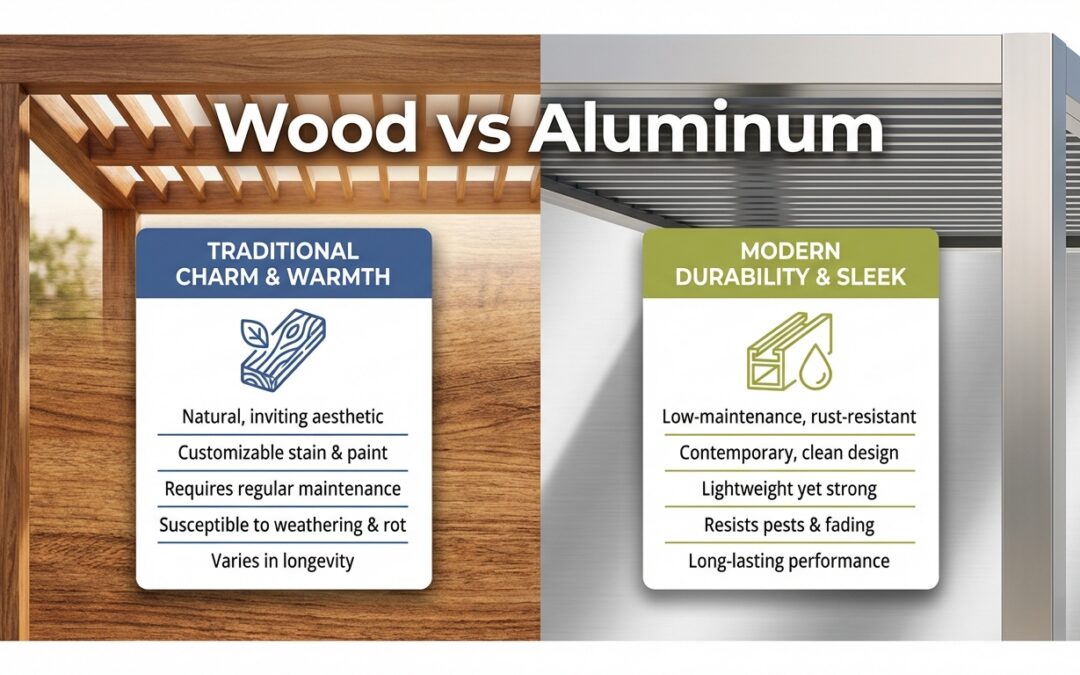
A wood or aluminum pergola is a structural outdoor addition that provides shade, style, and a defined living area; the better choice between the two depends on how each material performs across durability, maintenance, cost, and climate suitability.
This guide covers the core differences between wood and aluminum pergolas, the distinct pros and cons of each material, cost and installation considerations, desert climate performance, and how to match the right pergola to your lifestyle.
Wood pergolas deliver a classic, natural appearance and lower upfront material costs, with cedar and redwood offering inherent rot and insect resistance. However, wood demands annual sealing or staining, regular inspections, and diligent upkeep to prevent cracking, warping, and UV damage.
Aluminum pergolas resist rust, corrosion, and insects without painting or sealing, and high-quality options can last 30 years or more. Modern powder coatings provide strong UV protection, while features like adjustable louvers and smart controls expand functionality well beyond a traditional fixed shade structure.
Initial pricing favors wood, yet aluminum’s minimal long-term maintenance can offset its higher upfront cost over the structure’s full lifecycle. Pre-fabricated aluminum kits also tend to reduce installation time and labor compared to custom-cut wood builds.
In hot, arid environments, wood is prone to drying and fading without consistent care, while aluminum’s non-combustible, weather-resistant properties make it a strong performer under intense sun and extreme heat. Choosing between the two ultimately comes down to balancing aesthetic preference, maintenance commitment, and long-term value.
What Are the Main Differences Between Wood and Aluminum Pergolas?
The main differences between wood and aluminum pergolas span appearance, durability, maintenance, and weather resistance. Below, each factor is broken down to help you choose the right material.
How Do Wood and Aluminum Pergolas Differ in Appearance and Style?
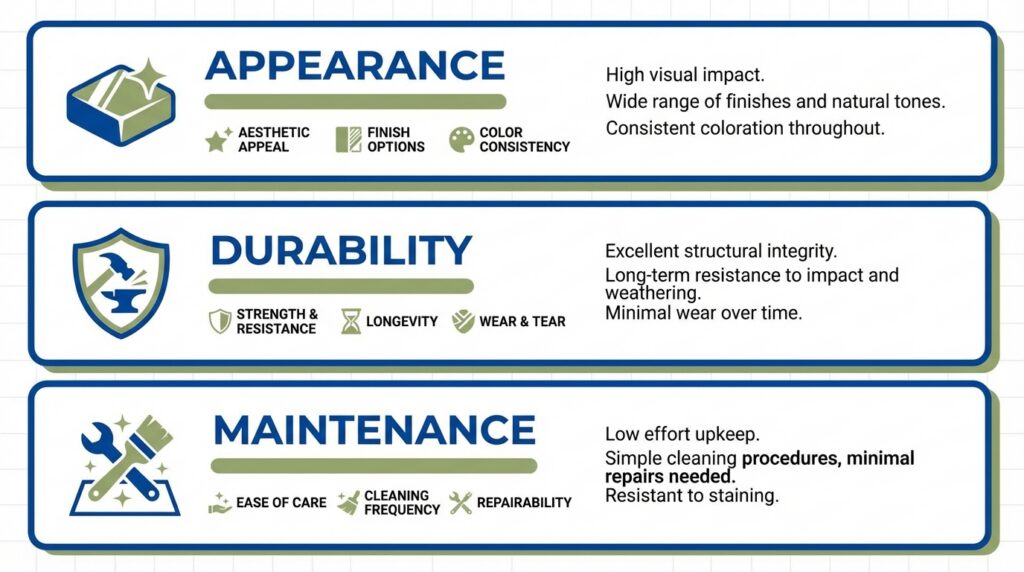
Wood and aluminum pergolas differ in appearance and style primarily through their visual character and design flexibility. Wood pergolas deliver a classic, natural aesthetic with visible grain patterns and warm, organic tones that blend into traditional landscapes. Aluminum pergolas offer a sleek, modern look and can be powder-coated in a wide range of colors to match contemporary architecture. Because aluminum can also be shaped to mimic wood grain textures, the stylistic gap between the two materials has narrowed considerably. For homeowners who want refined design control without sacrificing structural precision, aluminum often proves more versatile.
How Does the Strength and Durability of Wood Compare to Aluminum?
The strength and durability of wood compared to aluminum depends heavily on the wood species and maintenance commitment. Cedar and redwood pergolas can last 10 to 20 years with proper care, while pressure-treated pine typically lasts only 5 to 10 years. Wood remains vulnerable to warping, cracking, and insect damage over time. Aluminum, by contrast, resists rust, corrosion, and insects without degrading. According to a 2025 analysis by Aoodor, high-quality aluminum pergolas can last 30 years or more with minimal maintenance. That durability gap makes aluminum the stronger long-term performer, especially in climates that accelerate wood deterioration.
What Maintenance Does Each Pergola Material Require?
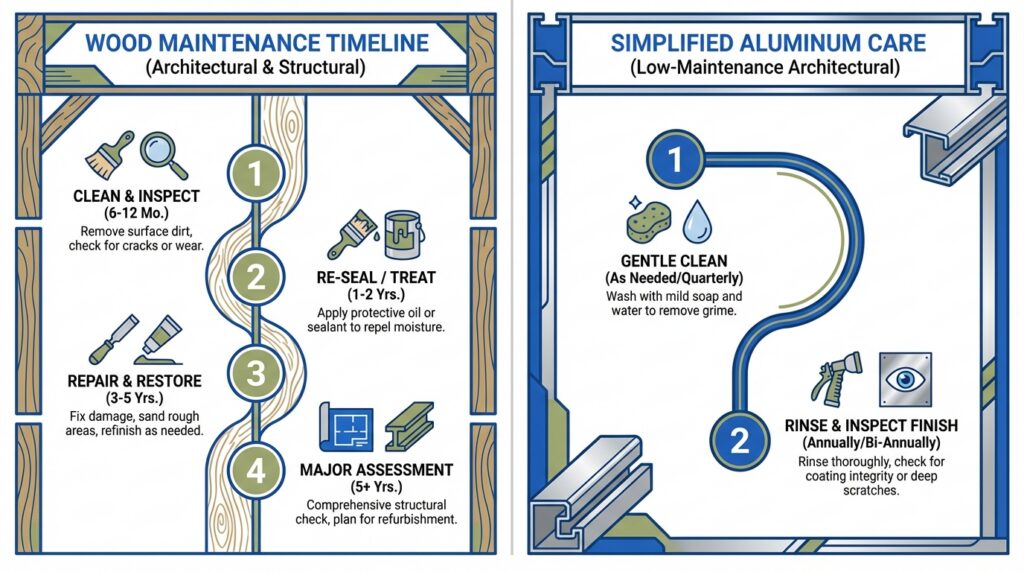
Each pergola material requires a vastly different maintenance commitment. Wood pergolas need annual sealing or staining, regular cleaning to prevent mildew, and periodic inspections for cracks or insect damage. Aluminum pergolas are virtually maintenance-free; they do not require painting, staining, or sealing, and cleaning typically involves just water and mild detergent. This distinction matters beyond convenience. Building codes and HOA regulations may also influence your material choice, since structures requiring less upkeep are simpler to keep compliant over time. For most homeowners, the maintenance difference alone shifts the long-term cost equation significantly in aluminum’s favor.
How Does Weather Resistance Vary Between Wood and Aluminum Pergolas?
Weather resistance varies between wood and aluminum pergolas based on each material’s response to moisture, UV exposure, and temperature extremes. Cedar and redwood contain natural oils and tannins that resist rot and insects; Western Red Cedar is classified as durable for exterior use without treatment. Still, all wood species degrade faster under intense sun and arid conditions without consistent sealing.
Aluminum handles harsh weather differently:
- Aluminum resists rust, corrosion, warping, and cracking in all climate conditions.
- Powder-coated aluminum provides excellent UV resistance, preventing fading and chalking.
- Aluminum is non-combustible, adding a safety advantage in fire-prone regions.
With these combined strengths, aluminum pergolas deliver more reliable weather protection across virtually every climate scenario.
What Are the Pros of Choosing a Wood Pergola?
The pros of choosing a wood pergola include timeless aesthetic appeal, easy customization through staining, and natural thermal insulation. Below, each advantage is explored in detail.
How Can a Wood Pergola Enhance the Aesthetic of My Home?
A wood pergola can enhance the aesthetic of your home by adding timeless, natural beauty that complements a wide range of architectural styles. Wood grain patterns, warm tones, and organic textures create visual warmth that manufactured materials cannot replicate.
Wood species also influence the look. Cedar and redwood offer rich, reddish hues suited to premium designs, while pressure-treated pine provides a budget-friendly option with a 5 to 10 year typical lifespan. As the outdoor living industry continues evolving, wood remains a foundational material that homeowners gravitate toward for its classic character. For those who appreciate that natural look and are willing to maintain it, a wood pergola delivers an aesthetic payoff few other materials can match.
Is It Easy to Customize and Stain Wood Pergolas?
Yes, it is easy to customize and stain wood pergolas. Wood accepts cuts, carvings, and profile changes with standard carpentry tools, making unique shapes and ornamental details straightforward to achieve. Staining offers both protective and decorative benefits:
- Annual sealing or staining shields the wood from moisture and UV damage.
- Stain colors range from transparent natural tones to deep, opaque finishes.
- Restaining lets homeowners refresh or completely change the pergola’s appearance over time.
Wood is also a renewable resource. When sourced from responsibly managed forests certified by organizations such as the Forest Stewardship Council, it becomes a sustainable and customizable choice.
Does Wood Offer Natural Insulation or Other Benefits?
Wood offers natural insulation due to its low thermal conductivity. Unlike metal, wood does not absorb and radiate heat rapidly, so the structure stays cooler to the touch under direct sun. This property makes a wood pergola noticeably more comfortable in hot climates.
Additional benefits include:
- Carbon sequestration, since harvested wood stores atmospheric carbon dioxide throughout its service life.
- Lower embodied energy during production compared to metals.
- A tactile warmth that enhances the sensory experience of an outdoor living space.
These thermal and environmental qualities give wood a practical edge that goes beyond appearance alone. With durability handled through proper care, understanding the trade-offs becomes the next step.
What Are the Cons of Wood Pergolas to Consider?
The cons of wood pergolas to consider include recurring maintenance demands, vulnerability to insects and rot, and rising long-term costs. Each drawback becomes more pronounced in harsh climates where sun, heat, and dryness accelerate wear.
What Are the Common Maintenance Challenges With Wood?
The common maintenance challenges with wood include annual sealing, staining, cleaning, and ongoing inspections for structural damage. In dry, arid climates like Phoenix, wood is prone to drying out, cracking, and warping if not properly maintained, while intense sun causes the color to fade. Even with diligent care, a wood pergola’s lifespan ranges from only 5 to 20 years depending on the species and maintenance routine.
These demands make wood rated only “good with high maintenance” for desert climate suitability. For homeowners who want the natural look without the upkeep burden, some manufacturers now offer hybrid designs that pair a sturdy aluminum frame with wood accents, balancing aesthetics and durability.
How Do Wood Pergolas Handle Insects, Rot, and Weather Damage?
Wood pergolas handle insects, rot, and weather damage with varying success depending on the species. Premium options like cedar and redwood contain natural oils and tannins that resist decay and pests, yet they still degrade over time without consistent sealing. Budget-friendly pressure-treated pine is considerably more susceptible to all three threats.
Key vulnerabilities include:
- Termites and boring insects that target untreated or aging wood fibers.
- Moisture-driven rot, even in arid regions, from irrigation overspray or monsoon rain.
- Splitting and warping caused by repeated expansion and contraction during extreme temperature swings.
Once structural damage sets in, repairs often require replacing entire beams rather than simple patching.
Can Ongoing Upkeep Make Wood Pergolas More Expensive Over Time?
Yes, ongoing upkeep can make wood pergolas more expensive over time. Although wood carries a lower initial material cost, cumulative expenses from annual sealing, staining, and eventual component replacement narrow that gap considerably. Installation itself is more labor-intensive; cutting and assembling wood components requires more skill and time, and professional installation is often recommended for larger or complex designs.
In the Phoenix area, experienced installers like Royal Covers provide transparent, no-haggle pricing using proprietary computer systems, helping homeowners understand the full lifecycle value of aluminum versus wood before making a decision. When factoring in repeated labor, sealant, stain, and potential structural repairs, wood’s total cost of ownership frequently surpasses aluminum’s within the first decade.
Understanding these long-term cost dynamics helps clarify how each material stacks up during a direct price comparison.
What Are the Pros of Choosing an Aluminum Pergola?
The pros of choosing an aluminum pergola include virtually zero maintenance, extensive design flexibility, and strong long-term cost efficiency. The following subsections cover each advantage in detail.
How Does Aluminum Provide Low Maintenance Outdoor Solutions?
Aluminum provides low maintenance outdoor solutions by resisting the deterioration that plagues other materials. Unlike wood, aluminum does not warp, crack, rot, or attract insects. Cleaning requires nothing more than water and mild detergent; no annual staining, sealing, or painting is necessary.
This near-zero upkeep translates directly into time and money saved over the structure’s life. According to research compiled on modern outdoor materials, aluminum pergolas are known for their durability, low maintenance, and long lifespan, making them a popular choice for modern outdoor living spaces. For homeowners who want to enjoy their backyard rather than maintain it, aluminum is the most practical material available.
What Design and Color Options Are Available for Aluminum Pergolas?
The design and color options available for aluminum pergolas are more extensive than many homeowners expect. Powder coating technology allows aluminum to be finished in virtually any color, from classic whites and bronzes to bold custom hues that match existing home exteriors.
Structurally, aluminum supports a wide range of configurations:
- Traditional lattice patterns that filter sunlight
- Solid insulated roof panels for full shade
- Adjustable louvered systems that rotate to control light and airflow
- Integrated accessories such as lighting, fans, and motorized shades
Because aluminum is lightweight yet strong, it accommodates larger spans and cleaner sightlines than many competing materials. This combination of aesthetic versatility and structural capability makes aluminum one of the most design-friendly pergola options on the market.
Is Aluminum a Cost-Effective Investment for the Long Term?
Aluminum is a cost-effective investment for the long term, despite a higher upfront price compared to most wood options. The initial premium is offset by decades of savings on staining, sealing, repairs, and eventual replacement.
Aluminum pergolas are particularly well-suited for desert climates due to their resistance to sun, heat, and insects. While the initial cost may be higher, the long-term value and minimal upkeep make aluminum an attractive investment for many homeowners. The emergence of bioclimatic and smart pergolas, which feature adjustable louvers and app-based controls, further enhances aluminum’s functionality and resale appeal. When total cost of ownership is calculated over a 20- to 30-year horizon, aluminum consistently outperforms wood in overall value.
With long-term value established, the next consideration is whether aluminum carries any drawbacks worth weighing.
What Are the Cons of Aluminum Pergolas to Consider?
The cons of aluminum pergolas include a more industrial aesthetic, heat absorption in direct sun, and potential constraints on custom sizing. These drawbacks are explored below across appearance, thermal behavior, and shading limitations.
Does Aluminum Lack the Warmth or Customization of Wood?
Aluminum does lack the natural warmth and hands-on customization that wood provides. Wood pergolas offer organic grain patterns, a tactile warmth, and the ability to be carved, shaped, or stained to any color on-site. Aluminum, by contrast, arrives in factory-finished profiles with a more uniform, modern appearance. While powder coating offers a range of color options, it cannot replicate the depth and character of real wood grain. For homeowners who prefer a rustic, traditional, or craftsman-style outdoor space, this visual difference can feel significant. That said, hybrid designs that pair aluminum frames with wood accents are emerging as a practical compromise for those who want durability without sacrificing all natural charm.
How Does Aluminum Handle Extremely Hot or Sunny Climates?
Aluminum handles extremely hot or sunny climates well structurally, but its thermal conductivity creates comfort considerations. Aluminum absorbs and radiates more heat than wood, meaning exposed surfaces can become hot to the touch under direct sun. According to the Engineering ToolBox, the thermal expansion coefficient of aluminum is approximately 23 x 10⁻⁶ /K, higher than wood, so aluminum structures expand and contract more with temperature swings. Manufacturers address these challenges through insulated louvers and reflective coatings that reduce heat transfer. Proper engineering during installation accounts for thermal movement, preventing warping or joint stress. For most homeowners in sun-intensive regions, these mitigation features make aluminum a reliable performer despite its higher conductivity.
Are There Any Limitations on Size or Shading Capabilities?
There are some limitations on size and shading capabilities with aluminum pergolas. Standard aluminum kits come in predetermined dimensions, which can restrict coverage for unusually large or irregular outdoor spaces. Custom-fabricated aluminum structures address this, though they increase cost. Open-lattice aluminum designs provide only partial, filtered shade rather than full sun blockage. For complete shade coverage, homeowners typically need to add adjustable louvers or integrated shade systems. Solid or louvered aluminum roof options solve this effectively, but they represent an upgrade over basic pergola configurations.
With these trade-offs understood, comparing the cost and installation process helps clarify each material’s overall value.
How Do Wood and Aluminum Pergolas Compare in Cost and Installation?
Wood and aluminum pergolas differ significantly in both upfront cost and installation complexity. The sections below break down what homeowners should expect for initial and lifetime expenses, along with how installation timelines compare.
What Should Homeowners Expect in Terms of Upfront and Lifetime Costs?
Homeowners should expect wood pergolas to cost less upfront and aluminum pergolas to cost less over their full lifespan. The cost of a wood pergola varies significantly depending on the type of wood selected:
- Pressure-treated pine is the most affordable option.
- Cedar and redwood carry premium price points.
Aluminum pergolas typically have a higher initial cost. However, their long-term value is enhanced by durability and virtually zero maintenance requirements, which can offset that higher upfront investment over time. When you factor in annual staining, sealing, and potential repairs for wood, the lifetime cost gap narrows considerably. For homeowners planning to stay in their home long term, aluminum often proves to be the more cost-effective choice overall.
How Does Installation Time Differ Between Wood and Aluminum Pergolas?
Installation time for aluminum pergolas is shorter than for wood pergolas, especially when pre-fabricated kits are used. Wood pergolas require more labor-intensive assembly; cutting and fitting wood components demands carpentry skill and additional time, particularly for larger or complex designs.
Many aluminum pergolas are sold as kits with pre-fabricated components, which simplifies the process significantly. According to the Engineering ToolBox, aluminum’s thermal expansion coefficient is approximately 23 x 10⁻⁶ /K, higher than wood, so installers must account for expansion and contraction during assembly in climates with wide temperature swings. Labor costs for aluminum installation tend to run lower than wood due to the streamlined, kit-based approach. This efficiency advantage makes aluminum a practical choice for homeowners who want a faster project turnaround without sacrificing structural quality.
With cost and installation factors clarified, the next consideration is how each material performs in extreme desert heat.
Which Pergola Material Is Better Suited for Phoenix’s Desert Climate?
Aluminum is better suited for Phoenix’s desert climate due to its resistance to sun, heat, and dryness. Below, each material’s performance under extreme conditions and UV exposure is compared.
How Does Each Material Withstand Sun, Heat, Wind, and Dryness?
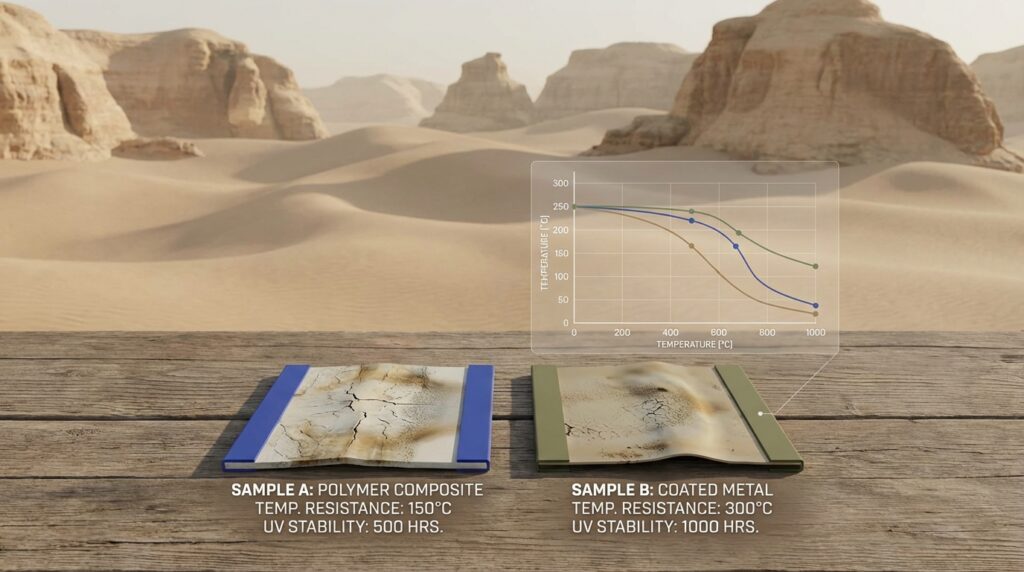
Each material withstands sun, heat, wind, and dryness differently. Aluminum resists warping, cracking, and rot regardless of temperature extremes or low humidity. Wood, particularly untreated softwoods, dries out and splits in arid conditions without consistent sealing.
Royal Covers has specialized in desert-engineered shade structures since 1979, with installation teams trained specifically to address Phoenix’s unique climate challenges including extreme UV exposure and thermal expansion requirements. According to Phoenix building code references, structures must be designed to withstand a minimum ultimate design wind speed of 105 mph, a requirement both materials can meet when properly engineered. Aluminum’s dimensional stability under these combined stressors makes it the more reliable performer for desert installations where minimal upkeep is preferred.
Are Certain Materials Recommended for Performance in Harsh UV Conditions?
Certain materials are recommended for harsh UV conditions, and aluminum with powder coating ranks highest. High-quality powder coatings on aluminum pergolas provide excellent UV resistance, preventing fading and chalking even after years of direct desert sun exposure. Aluminum is also non-combustible, adding a critical safety advantage in fire-prone arid landscapes.
Wood requires annual staining or sealing to resist UV damage. Without this protective layer, sun exposure bleaches the surface and breaks down wood fibers, shortening the structure’s usable life. For homeowners who want lasting color retention and minimal intervention, aluminum is the clear frontrunner under sustained UV bombardment.
With climate performance established, the next step is matching these factors to your specific lifestyle and priorities.
How Do You Decide Which Pergola Is the Best Choice for Your Needs?
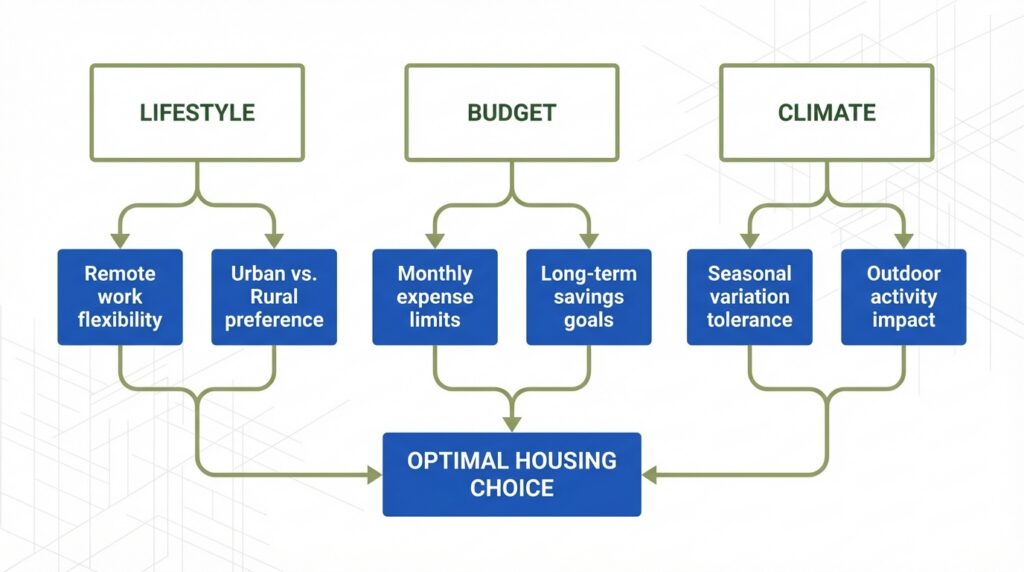
You decide which pergola is the best choice for your needs by weighing lifestyle demands, maintenance tolerance, budget priorities, and long-term property goals. The sections below break down the key decision factors.
What Lifestyle or Maintenance Factors Should Influence Your Decision?
The lifestyle and maintenance factors that should influence your decision include how much time you can dedicate to upkeep, how you use your outdoor space, and your tolerance for ongoing care. Homeowners who entertain frequently or want a hands-off experience benefit from aluminum’s minimal upkeep; a simple rinse with mild detergent keeps the structure clean year after year. Those who enjoy seasonal home projects and prefer a natural look may find the annual staining and sealing routine of wood rewarding rather than burdensome. Climate matters, too. In hot, arid regions, wood demands more vigilant care to prevent cracking and fading, while aluminum resists sun, heat, and insects without intervention. Matching the material to your actual habits prevents frustration down the road.
Should You Consider Home Value, Resale, or Personal Preference More?
You should consider home value, resale potential, and personal preference together, since each carries weight depending on your situation. A durable, low-maintenance aluminum pergola often appeals to future buyers because it signals minimal upkeep costs, which can strengthen resale positioning. Wood pergolas, on the other hand, deliver a warm, natural aesthetic that some buyers specifically seek. Sustainability is also gaining influence; both materials carry environmental trade-offs worth weighing. Wood is a renewable resource that sequesters carbon, while aluminum is 100% recyclable. If you plan to stay long-term, personal enjoyment should lead the decision. If selling within a few years, prioritize the material that aligns with buyer expectations in your market. With these decision criteria in mind, a knowledgeable installer can help match the right pergola to your specific goals.
How Can Royal Covers Help You Choose and Install the Right Pergola?
Professional patio cover specialists can help you choose and install the right pergola by combining Phoenix-specific expertise with custom design consultations and professional installation. The following sections cover climate-focused solutions and key material takeaways.
Can Royal Covers’ Custom Pergola Solutions Address Phoenix’s Unique Climate Challenges?
Yes, Royal Covers’ custom pergola solutions can address Phoenix’s unique climate challenges. Since 1979, Royal Covers has specialized in shade structures engineered specifically for Arizona’s extreme sun, heat, and dry conditions. Royal Covers offers Alumawood pergolas and lattice covers that resist warping, cracking, and fading without the annual sealing that wood demands in desert environments. The Equinox Louvered Roof system provides adjustable louvers for precise sun and shade control, along with rain protection. Royal Covers handles permit applications and HOA approvals, ensuring every installation meets Phoenix building code requirements. Full-time, professionally trained installation teams manage each project from design consultation through completion.
What Are the Key Takeaways When Comparing Wood vs Aluminum Pergolas?
The key takeaways when comparing wood vs aluminum pergolas center on maintenance commitment, lifespan, climate performance, and long-term cost:
- Wood pergolas deliver a natural, classic aesthetic but require annual sealing or staining to prevent cracking, fading, and rot.
- Cedar and redwood pergolas last 10 to 20 years with diligent upkeep, while pressure-treated pine lasts only 5 to 10 years.
- Aluminum pergolas resist rust, corrosion, insects, and UV damage, lasting 30 years or more with minimal maintenance.
- Wood carries a lower upfront cost, but recurring maintenance expenses can close the gap over time.
- Aluminum’s non-combustible properties and powder-coated UV resistance make it the stronger performer in Phoenix’s desert climate.
For homeowners who value low maintenance and long-term durability, aluminum is the more practical investment. Those who prefer natural warmth and accept the upkeep commitment will enjoy a well-maintained wood pergola. Royal Covers can guide you through this decision with a free design consultation tailored to your space, style, and budget.